
How to Glue LED Light Strips: Silicone & PVC Strip Adhesive Guide
LED light strips keep falling off? The fix starts with choosing the right adhesive for silicone vs PVC strips, proper surface prep, and full cure time before powering up. A practical guide for sign shops.

LED strip adhesion failure is most commonly caused by mismatching the adhesive to the strip backing material: silicone-backed strips require silicone-specific adhesive; PVC-backed strips bond well with acrylic-based and rubber-based adhesives. A PVC adhesive applied to a silicone strip will peel within 48-72 hours because the adhesive cannot form a chemical bond with the low-surface-energy silicone surface. For silicone strips, look for a silicone sealant or adhesive with a Shore A hardness of 25-40 after curing to allow flexibility without cracking.
LED light strips are everywhere in modern sign making — neon flex strips, silicone LED strips, PVC LED strips. But one of the most common complaints sign shops hear from clients is: the strips keep falling off.
The problem is almost always the same: using the wrong adhesive, or skipping surface preparation. This guide covers everything you need to know about bonding LED strips correctly — so they stay put for years, not weeks.
The best glue for LED light strips depends on the strip jacket, channel material, bending radius, and expected heat exposure.
Before applying glue for LED light strips, clean the surface and test adhesion on the same material used in production.
For bulk production, choose glue for LED light strips that cures consistently and does not damage silicone or PVC neon strips.
Why LED Strips Fall Off
Before choosing an adhesive, it helps to understand why strips fail in the first place:
- Surface contamination — oil, dust, and release agents from plastic packaging prevent adhesion
- Wrong adhesive type — standard super glue doesn’t bond well to flexible silicone materials
- Temperature cycling — LED strips heat up during operation, which can weaken adhesives not rated for thermal cycling
- Moisture — outdoor signs exposed to humidity need weatherproof adhesives
- Flexible substrate mismatch — rigid adhesives crack when used on flexible strips
The best glue for LED light strips depends on the strip jacket, channel material, bending radius, and expected heat exposure.
Before applying glue for LED light strips, clean the surface and test adhesion on the same material used in production.
For bulk production, choose glue for LED light strips that cures consistently and does not damage silicone or PVC neon strips.
Silicone LED Strips vs PVC LED Strips: Different Materials, Different Glues
Not all LED strips are alike. The two most common types in sign making require different adhesive approaches:
Silicone LED Neon Flex Strips
Silicone is soft, flexible, and highly resistant to temperature extremes — which is exactly what makes it difficult to glue. Standard cyanoacrylate (super glue) and solvent-based adhesives don’t bond well to silicone. You need either a silicone-specific adhesive or a mechanical fastening method.
For silicone neon strips used in channel letters, the most reliable method is a combination approach:
- Use a purpose-formulated silicone LED strip adhesive applied to the back of the strip
- Press firmly for 30–60 seconds, holding in position
- Allow full cure time (usually 24 hours) before powering up
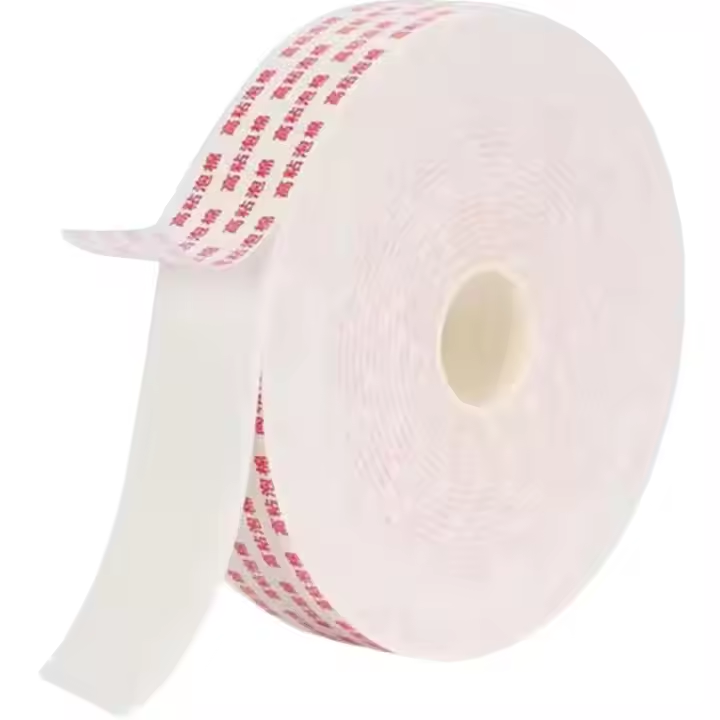
- For high-stress areas (corners, bends), add double sided foam tape as a secondary hold
PVC LED Neon Strips
PVC is far easier to bond than silicone. Most solvent-based contact adhesives and strong double-sided tapes work well on PVC. The key concern here is flexibility — choose an adhesive that remains flexible after curing, so it doesn’t crack as the strip bends or heats up.
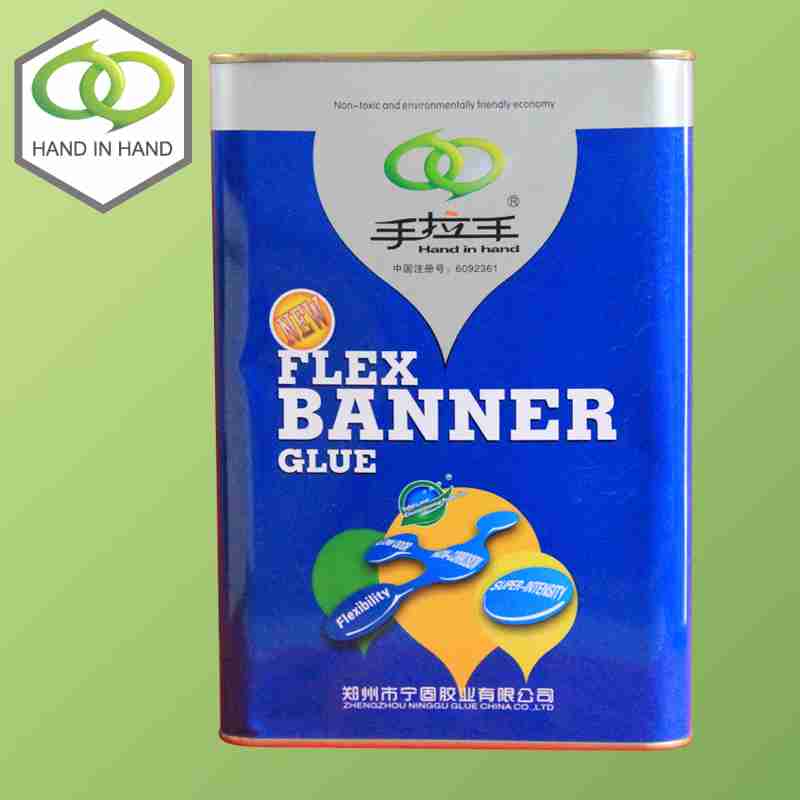
For PVC strips in outdoor sign applications, a flex banner glue or similar flexible-formula adhesive provides excellent bonding while accommodating thermal expansion.
The best glue for LED light strips depends on the strip jacket, channel material, bending radius, and expected heat exposure.
Before applying glue for LED light strips, clean the surface and test adhesion on the same material used in production.
For bulk production, choose glue for LED light strips that cures consistently and does not damage silicone or PVC neon strips.
Surface Preparation: The Most Important Step
No adhesive works well on a dirty surface. Before applying any glue:
- Remove dust and loose particles — use a dry, lint-free cloth or compressed air
- Degrease the surface — wipe with isopropyl alcohol (IPA, 70%+) and allow to dry completely. This removes mold release agents from plastic letter housings, oil from skin contact, and manufacturing residues
- For metal surfaces — light sanding with fine-grit paper improves adhesion by creating mechanical bite. Wipe clean with IPA after sanding
- For polished acrylic — avoid sanding; IPA wipe is sufficient. Sanding can cloud the surface
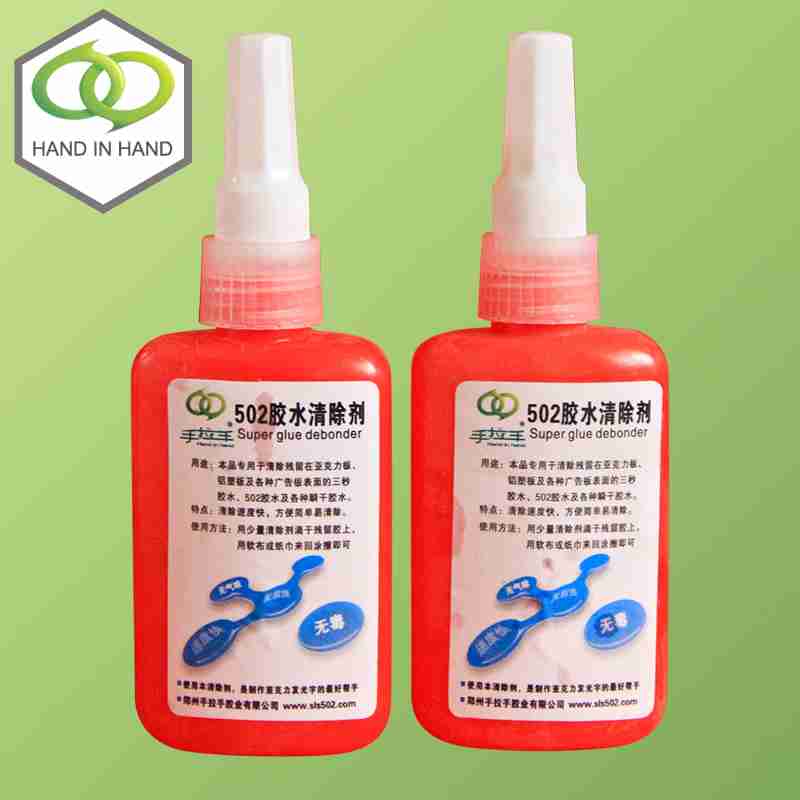
- Check for residue — if old adhesive remains from a previous installation, use a super glue cleaner to dissolve and remove it before applying fresh adhesive
Taking 5 extra minutes on surface prep will reliably prevent 80% of LED strip adhesion failures.
The best glue for LED light strips depends on the strip jacket, channel material, bending radius, and expected heat exposure.
Before applying glue for LED light strips, clean the surface and test adhesion on the same material used in production.
For bulk production, choose glue for LED light strips that cures consistently and does not damage silicone or PVC neon strips.
Choosing the Right Adhesive: Quick Reference
| Strip Type | Surface | Recommended Adhesive | Notes |
|---|---|---|---|
| Silicone neon flex | Acrylic channel letter | Silicone-specific LED adhesive | Must be silicone-compatible |
| Silicone neon flex | Aluminum profile | Silicone adhesive + double-sided tape | Tape for temporary hold during cure |
| PVC neon strip | PVC foam board | Contact adhesive or flex-formula glue | Press firmly, full contact required |
| PVC neon strip | Metal frame | Flexible-formula adhesive | Allows thermal expansion |
| Any strip | Outdoor/exposed | Weatherproof adhesive | UV-resistant, moisture-resistant |
The best glue for LED light strips depends on the strip jacket, channel material, bending radius, and expected heat exposure.
Before applying glue for LED light strips, clean the surface and test adhesion on the same material used in production.
For bulk production, choose glue for LED light strips that cures consistently and does not damage silicone or PVC neon strips.
Application Tips for Lasting Bonds
- Apply adhesive to both surfaces when using contact-type glues — let both sides become tacky before joining
- Work in segments — don’t try to glue a 3-meter run all at once. Work in 30–50cm sections for better control
- Avoid stretching — don’t pull the strip taut before it’s bonded; it will retract when released and create gaps
- Temperature matters — most adhesives cure poorly in temperatures below 10°C. Work in a heated space if installing in winter
- Don’t rush curing — powering up LED strips before the adhesive has fully cured generates heat that can soften and weaken the bond
The best glue for LED light strips depends on the strip jacket, channel material, bending radius, and expected heat exposure.
Before applying glue for LED light strips, clean the surface and test adhesion on the same material used in production.
For bulk production, choose glue for LED light strips that cures consistently and does not damage silicone or PVC neon strips.
Using Double-Sided Foam Tape as a Primary Fastener
For installations where liquid adhesive is inconvenient or impractical, double sided foam tape can serve as the primary fastening method — not just a supplement.
High-bond foam tapes (sometimes called VHB-style tapes) provide strong, immediate hold and accommodate minor surface irregularities. They’re particularly useful for:
- Field installations where you need instant hold without waiting for adhesive to cure
- Temporary displays or signs that may need to be repositioned later
- Surfaces where liquid adhesives might cause damage (certain painted surfaces, for example)
The trade-off: foam tape doesn’t conform to curved surfaces as well as liquid adhesive, and high heat can soften the foam over time. For curved LED neon letters, liquid adhesive remains the more durable choice.
For a detailed comparison of tape versus glue methods across different installation scenarios, see our guide: Double Sided Foam Tape vs Glue: Which Is Better for Sign Installation?
The best glue for LED light strips depends on the strip jacket, channel material, bending radius, and expected heat exposure.
Before applying glue for LED light strips, clean the surface and test adhesion on the same material used in production.
For bulk production, choose glue for LED light strips that cures consistently and does not damage silicone or PVC neon strips.
Outdoor Durability Considerations
LED sign strips installed outdoors face a much harsher environment than indoor installations:
- UV exposure degrades many adhesives over time, causing yellowing and loss of strength
- Temperature swings (cold nights, hot days) cause materials to expand and contract, stressing adhesive bonds
- Moisture and condensation can penetrate poorly-sealed joints and weaken adhesion
- Wind vibration creates cyclic stress on adhesive joints
For outdoor LED strip installations, always specify adhesives rated for outdoor use, and consider sealing the edges of the bonded area with a bead of silicone sealant for additional protection.
The best glue for LED light strips depends on the strip jacket, channel material, bending radius, and expected heat exposure.
Before applying glue for LED light strips, clean the surface and test adhesion on the same material used in production.
For bulk production, choose glue for LED light strips that cures consistently and does not damage silicone or PVC neon strips.
Related Products
Browse our adhesive and tape range for your LED strip installation projects:
- Double Sided Foam Tape — strong immediate bond for strip installation
- Flex Banner Glue — flexible-formula adhesive for PVC and banner materials
- Super Glue Cleaner — removes old adhesive before re-bonding
Browse the full adhesive & tape category for all available options.
The best glue for LED light strips depends on the strip jacket, channel material, bending radius, and expected heat exposure.
Before applying glue for LED light strips, clean the surface and test adhesion on the same material used in production.
For bulk production, choose glue for LED light strips that cures consistently and does not damage silicone or PVC neon strips.
Summary
Getting LED strip adhesion right comes down to three things: choosing an adhesive compatible with your strip material (especially silicone), proper surface preparation, and allowing adequate cure time before powering up. Skip any of these, and the strip will eventually fail — usually at the worst possible moment.
For more on the broader adhesive selection process for sign making, read the full guide: The Sign Maker’s Guide to Adhesives.
And if you’re sourcing adhesives, tapes, or other sign-making supplies in bulk, contact us — we supply sign shops in Southeast Asia and beyond with wholesale pricing from verified Chinese manufacturers.
The best glue for LED light strips depends on the strip jacket, channel material, bending radius, and expected heat exposure.
Before applying glue for LED light strips, clean the surface and test adhesion on the same material used in production.
For bulk production, choose glue for LED light strips that cures consistently and does not damage silicone or PVC neon strips.
FAQ
Q: How do I know if my LED strip is silicone or PVC?
A: Silicone strips feel rubbery and return to shape when pressed. PVC strips feel stiffer and may show a slight gloss. The burn test: silicone produces white ash; PVC produces black smoke and acrid odor. Check manufacturer specifications if unsure.
Q: What adhesive for silicone LED strips?
A: Neutral-cure silicone sealant (not acetoxy-cure, which corrodes copper). Shore A 25-40 for flexibility. Clean strip with isopropyl alcohol before applying. Allow 12-24 hours full cure before powering the strip.
Q: What adhesive for PVC LED strips?
A: Acrylic-based pressure-sensitive adhesive (PSA) or rubber-based hot melt. 3M VHB tape strips cut to 10 mm width also work well. Clean surface, press firmly for 30 seconds, allow 24 hours for full bond development.
Q: Why do my LED strips keep falling off?
A: Most common causes: (1) surface not cleaned before application, (2) wrong adhesive for strip backing type, (3) strip installed on painted surface before paint was fully cured (minimum 30 days for latex paint), (4) ambient temperature below 10C during installation.
Q: Can I re-glue a fallen LED strip?
A: Yes, but must completely remove old adhesive residue first. Use isopropyl alcohol and a plastic scraper. Do not apply new adhesive over old adhesive — the bond will be 50-70% weaker due to contamination.
The best glue for LED light strips depends on the strip jacket, channel material, bending radius, and expected heat exposure.
Before applying glue for LED light strips, clean the surface and test adhesion on the same material used in production.
For bulk production, choose glue for LED light strips that cures consistently and does not damage silicone or PVC neon strips.
Limitations
Applies to standard 8-12mm LED strips (SMD 2835/5050/3528) on silicone or PVC backing, mounted on clean, indoor surfaces at 10-35C ambient. Not applicable to:
- Outdoor installations with water exposure (requires mechanical mounting + adhesive)
- COB (Chip-on-Board) strips with different backing materials
- High-temperature applications (above 60C continuous)
The best glue for LED light strips depends on the strip jacket, channel material, bending radius, and expected heat exposure.
Before applying glue for LED light strips, clean the surface and test adhesion on the same material used in production.
For bulk production, choose glue for LED light strips that cures consistently and does not damage silicone or PVC neon strips.
Sources
- ASTM D903: Standard Test Method for Peel or Stripping Strength of Adhesive Bonds
- Silicone sealant manufacturer technical data (Dow, Momentive, Wacker)
- LED strip manufacturer application guidelines, 2024-2025
Last reviewed: June 23, 2026.